



The Ill-Fated Voyage of the Capitana El Rubí: Superstition, Hurricane and Hidden Treasure
The Capitana El Rubí was the flagship of the Nueva España fleet of 1733, commanded by Lieutenant-General Rodrigo de Torres. The fleet sailed from Havana harbour on a Friday the 13th — a date sailors have mistrusted for as long as there have been sailors.
As the winds shifted and a hurricane bore down, Torres ordered the ships to turn back. It was already too late.
The storm ravaged the fleet, sinking or grounding the vessels along an eighty-mile stretch of the upper Florida Keys. The Keys are a chain of islands running off the southern tip of Florida into the Gulf of Mexico, and in the upper Keys the water is shallow and dotted with coral reef — difficult navigation in good weather, and impossible in a hurricane.
A letter from Spain's Naval Commissioner places the grounding of the Capitana El Rubí at Cayo Largo, roughly two and a half leagues from shore — about 8.8 miles. She carried silver pesos, gold and copper, a fortune estimated at some 13,000,000 pesos.
Twenty-two ships were lost. Only five came through: four returned to Cuba and one continued to Spain unharmed. In the years that followed, Spanish salvors recovered what they could with the help of the indigenous people of the Keys, and there is still speculation that treasure lies beneath her decks.
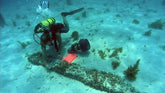
She rests today on a sandbar in about twenty feet of water off Plantation Key — water now known for its marine life and reef, and a popular destination for divers and snorkellers.
Bombarda's Capitana, an 8 year single-origin Panamanian rum from a private cask, is named for her. Captain James designed and decorated her bottle specifically to tell this story.
To read more about the El Rubí Capitana and the fate of the 1733 fleet: the Florida Heritage Galleon Trail.
 Back to Blog